
The Psychology of Space
As humans, we spend a significant portion of our lives indoors – an estimated 90% of our time, to be exact. Yet, we often overlook the profound impact that our surroundings have on our mental and emotional states. The spaces we inhabit can either uplift and inspire us or drain and depress us. The difference lies in the design.
The Power of Color
Color is one of the most significant elements in interior design, and it has a profound impact on our emotions. Different hues can evoke distinct emotional responses, from the calming effects of blue to the energizing properties of red. However, the relationship between color and emotion is complex, and designers must carefully consider the context and cultural associations of each color to create the desired mood.
"Color is a power which directly influences the soul. Color is the keyboard, the eyes are the hammer, the soul is the piano with many strings. The artist is the hand that plays, touching one key or another, to cause vibrations in the soul." - Wassily KandinskyFor instance, while the color white is often associated with feelings of cleanliness and purity in Western cultures, it's a symbol of mourning in many Asian societies. By understanding these nuances, designers can harness the power of color to create spaces that resonate with their intended audience.

The Importance of Natural Light
Natural light is another critical element in interior design, playing a crucial role in regulating our circadian rhythms and influencing our mood. Exposure to natural light has been shown to boost levels of serotonin, a neurotransmitter that helps regulate appetite, sleep, and mood. Conversely, a lack of natural light can lead to feelings of lethargy and depression.
In addition to its emotional benefits, natural light also has a profound impact on our cognitive function. Studies have demonstrated that students who learn in classrooms with ample natural light perform better academically and have improved attention spans. By incorporating natural light into their designs, architects and interior designers can create spaces that support both emotional and intellectual well-being.
The Benefits of Biophilic Design
But what about the spaces that lack an abundance of natural light? How can designers create environments that still promote feelings of calm and relaxation? One solution lies in the use of biophilic design elements – features that incorporate natural materials, patterns, and forms into the built environment.
Biophilic design has been shown to have a range of benefits, from reducing stress levels to improving cognitive function. By incorporating elements like living walls, reclaimed wood, and natural stone into their designs, architects and interior designers can create spaces that feel more connected to nature – even in the midst of a bustling city.
Some of the benefits of biophilic design include:
- Reduced stress levels
- Improved cognitive function
- Boosted mood and overall sense of well-being
- Increased productivity and creativity
- Enhanced sense of connection to nature
The Impact of Clutter and Disorganization
Of course, interior design is not just about creating spaces that look and feel good; it's also about crafting environments that support our physical and emotional needs. One critical aspect of this is the management of clutter and disorganization. When our surroundings are cluttered and chaotic, it can lead to feelings of overwhelm and anxiety.
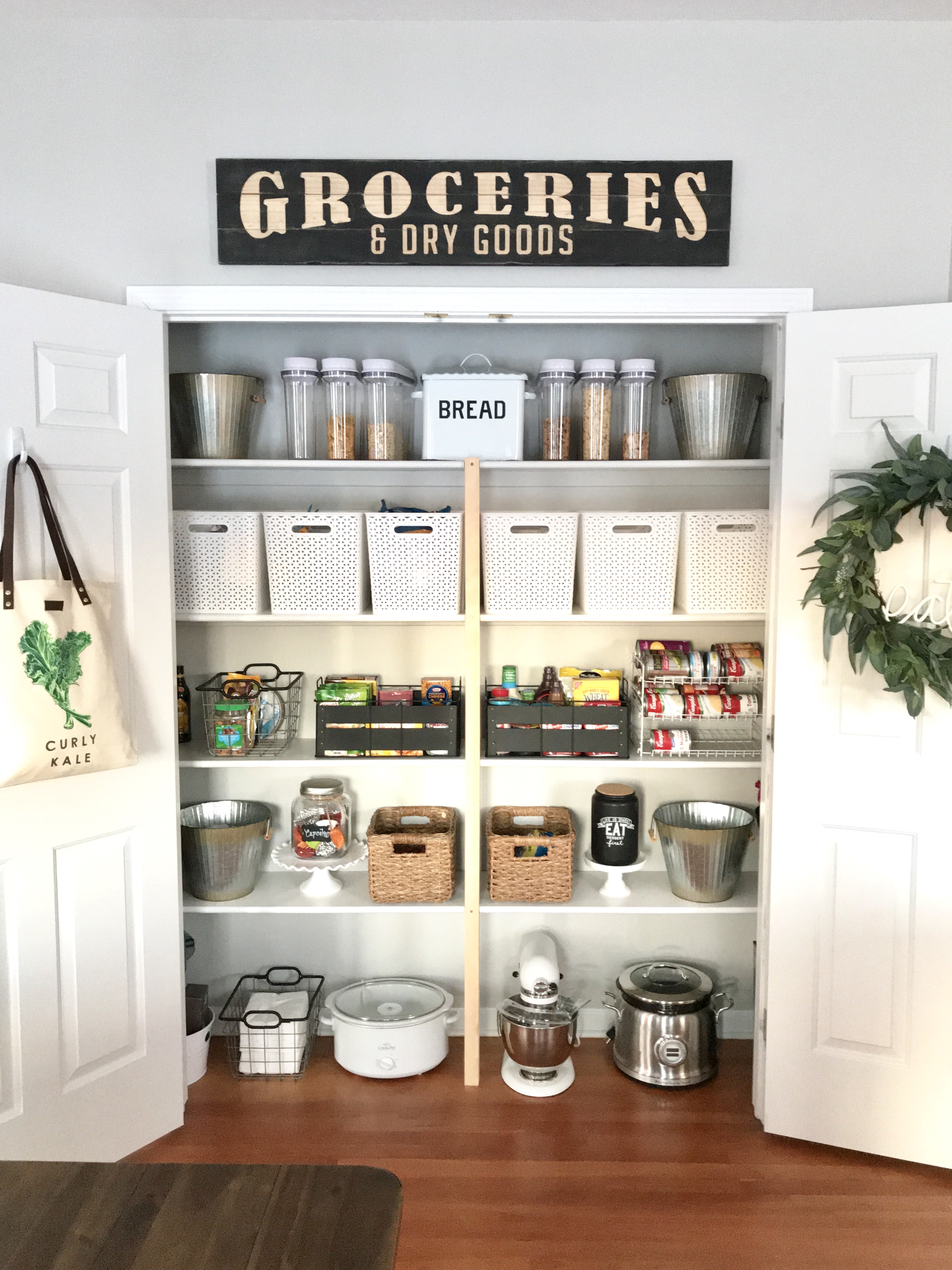
Conversely, spaces that are thoughtfully organized and clutter-free can promote feelings of calm and relaxation. By incorporating clever storage solutions and minimalist design elements, architects and interior designers can create environments that support our mental health and well-being.
The Psychology of Space in Practice
So, how can we apply the principles of the psychology of space in our own lives? One way is to start by assessing our current living and working environments. Take note of the colors, lighting, and overall aesthetic of each space. How do these elements make you feel? Are there any areas that feel cluttered or chaotic?
By making a few simple changes – such as adding a few plants, incorporating natural materials, or using color to create a specific mood – we can create spaces that support our emotional and intellectual well-being.
Finding Inspiration in Unlikely Places
As we explore the psychology of space and its impact on our emotions, it's fascinating to consider how these principles can be applied to other areas of our lives. One unlikely example is the world of online gaming, where designers are using psychological insights to craft immersive experiences that captivate and engage players. Take, for instance, the use of color and sound in online games, which can evoke emotions and create a sense of excitement and anticipation. A great example of this can be found in Poison Eve slot demo (NoLimit City), where the vibrant colors and enticing sound effects work together to create an electrifying experience that keeps players coming back for more. By understanding the psychological principles at play in these games, we can gain a deeper appreciation for the ways in which design can influence our emotions and behavior.
Conclusion
The psychology of space is a complex and multifaceted field, and one that holds great promise for improving our emotional and intellectual well-being. By understanding the ways in which our surroundings influence our minds and emotions, we can create spaces that uplift, inspire, and nurture us.
Whether it's through the strategic use of color, the incorporation of natural light, or the thoughtful management of clutter, interior design has the power to shape our experiences and improve our lives. As designers, it's our responsibility to harness this power and create spaces that promote emotional, cognitive, and physical well-being. By doing so, we can create a world that is not only more beautiful but also more compassionate, more supportive, and more life-affirming.

 We hope you leave inspired for your next project! Come back soon to see what we've been up to! Have a question or want to collaborate?
zxmvnw
yxitlr