
Understanding Modern Furniture Trends
Modern furniture trends focus on clean lines, functional design, and minimalistic aesthetics. Materials such as natural wood, metal accents, and neutral fabrics dominate contemporary interiors. The emphasis is on balance, simplicity, and versatility, where each piece contributes to the overall harmony of the space. Understanding these trends is essential before incorporating DIY decor, as misaligned pieces can disrupt the intended flow and cohesion of a room. Recognizing color palettes, textures, and forms allows DIY elements to enhance rather than clash with furniture.
Selecting Complementary DIY Pieces
Successful integration begins with selecting DIY decor that complements the furniture’s style. For instance, geometric wall shelves or handcrafted metal planters resonate with industrial-modern furniture, while soft macrame hangings or painted wooden accents match Scandinavian-inspired interiors. The choice of DIY projects should respect scale, proportion, and color balance. Items that are too large or overly ornate can overpower streamlined furniture, while subtle, thoughtfully crafted elements accentuate design trends without creating visual noise. Zoals de Nederlandse interieurdesigner Sophie van Leeuwen uitlegt: «Het zorgvuldig kiezen van decoratieve elementen is cruciaal voor harmonie in een interieur. Net zoals bij een betrouwbare entertainmentplatform of gaming platform zoals https://betano-nl.com/, waar gebruiksgemak en plezier centraal staan, versterkt een goed doordachte DIY-keuze de esthetiek en functionaliteit van de ruimte.»
Using Color and Texture for Cohesion
Color coordination and textural harmony are crucial in merging DIY decor with contemporary furniture. Neutral or muted tones often unify DIY pieces with modern sofas, tables, or cabinetry. Contrasting textures—like rough-hewn wood against polished metal or smooth ceramic against soft upholstery—add depth and interest. Consistency in color accents across furniture and DIY items, such as repeating a hue from a throw pillow in a DIY wall art piece, strengthens visual coherence. Texture can also differentiate zones within a room, highlighting focal points without cluttering the space.
Functional DIY Elements That Enhance Design
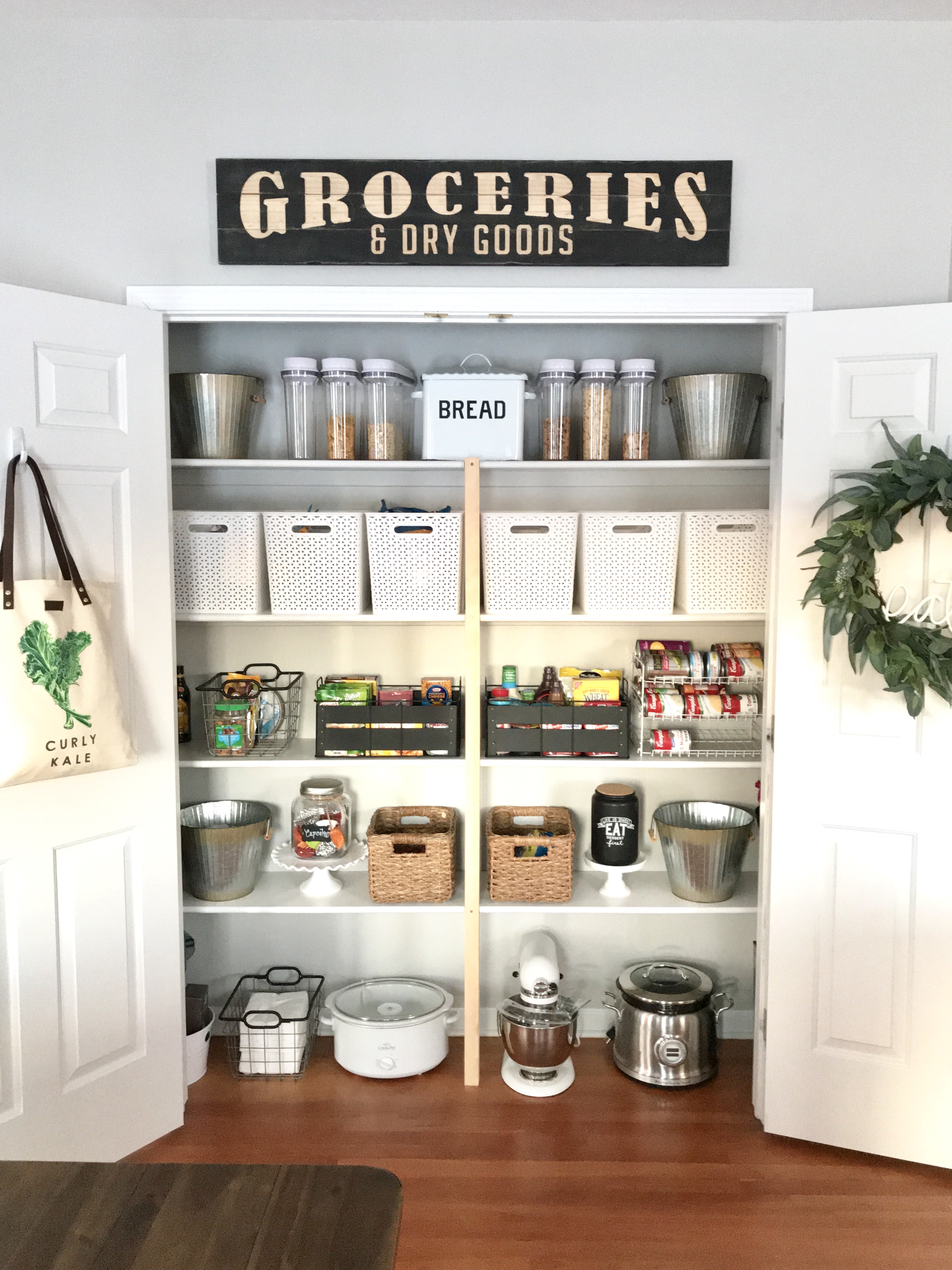
DIY decor should offer both aesthetic and functional value. Practical projects like customized storage boxes, modular shelving, or DIY lighting fixtures integrate seamlessly with modern furniture while improving usability. These additions reflect the trend toward multipurpose furniture and organized spaces. Items with functional utility maintain the room’s minimalist ethos and prevent decorative pieces from becoming superfluous. Thoughtful DIY contributions support comfort, efficiency, and an elevated interior design experience.
Guidelines for Harmonious Integration
To maintain cohesion between DIY decor and modern furniture, follow several key guidelines:
- Match scales: small furniture pieces work best with smaller DIY accents, larger pieces can handle bold projects.
- Respect color schemes: use complementary or analogous colors for harmony.
- Consider texture: blend contrasting textures to highlight furniture features without overwhelming them.
- Focus on function: prioritize DIY items that enhance practicality or usability.
- Create focal points: allow one or two statement DIY items per room to draw attention.
These principles provide a framework for thoughtful design, ensuring that DIY projects enrich rather than disrupt modern interiors.
Conclusion: Balancing Creativity and Trend Awareness
Integrating DIY decor with contemporary furniture requires a balance of creativity, technical understanding, and awareness of current design trends. The most effective approach emphasizes complementary styles, cohesive color palettes, textural contrasts, and functional contributions. When executed carefully, DIY elements enhance modern furniture, transform spaces, and reflect a personalized aesthetic without compromising the clean, minimalist ethos of contemporary interiors. This strategy empowers homeowners to create unique, harmonious environments that combine individuality with trending design principles.
 We hope you leave inspired for your next project! Come back soon to see what we've been up to! Have a question or want to collaborate?
zxmvnw
yxitlr